

Insight / AI & automation6 min read
←︎ All insights

Practical AI starts with the workflow, not the tool

The pressure to adopt AI can make teams start with technology and search for a reason to use it. The more productive approach is the opposite: begin with a recurring bottleneck and determine whether intelligence can remove it responsibly.

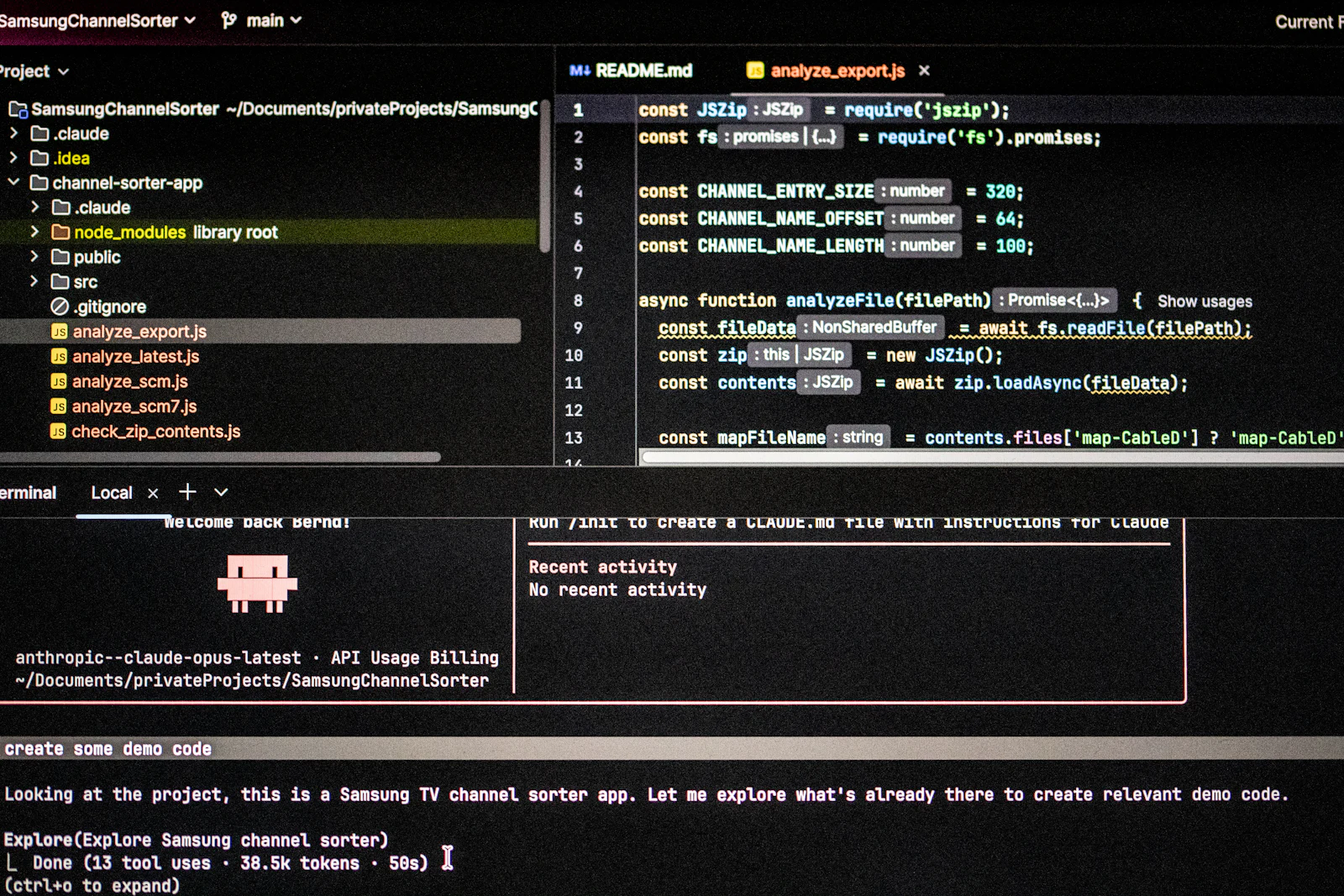
A development workspace showing code and connected project files
Photo by Bernd Dittrich on Unsplash ↗︎
01

Find repetitive judgement

The strongest opportunities often sit between simple automation and expert decision-making. They involve sorting information, drafting a first response, extracting structure from documents, or finding patterns across a large body of material.

These tasks are frequent enough to consume time but bounded enough for a team to define what a good result looks like.

02

Keep people at the consequential moments

AI should accelerate preparation and reduce low-value repetition while leaving important approvals, sensitive communication, and high-impact decisions with accountable people.

A clear review step is not a sign that the system failed to automate enough. It is part of designing a trustworthy operating model.

03

Start narrow and instrument the result

A focused pilot can reveal accuracy, adoption, edge cases, and actual time saved before the system expands. Define a baseline, measure the new workflow, and collect examples of failure as carefully as examples of success.

That evidence tells the team whether to refine the prompt, improve the source data, adjust the human review, or stop. Practical AI earns its place through measurable usefulness.

Next insight

Why your website should operate like a product

↗︎