

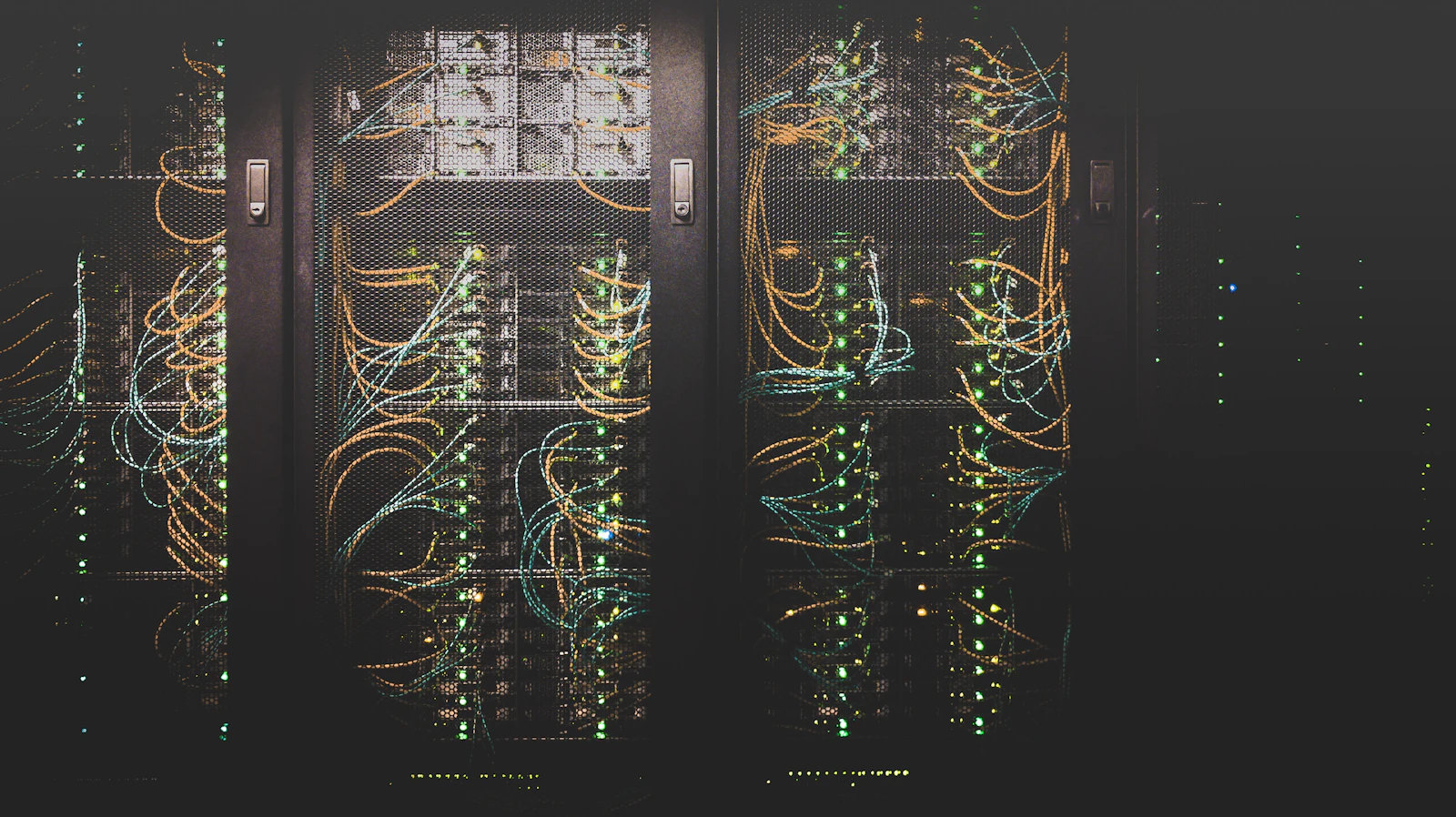
Fragmentation accumulates through reasonable short-term decisions: another spreadsheet, a separate booking tool, a manual notification, or a platform that cannot speak to the rest.
Every handoff carries a cost
When information moves manually between systems, someone must remember, copy, check, and correct it. The customer experiences repeated questions, delayed responses, and unclear next steps.
Integration begins with the workflow
First map what triggers an action, which information is required, who owns the decision, and what a successful completion looks like.
Measure the friction you remove
A connected system should create visible change: fewer manual steps, faster response times, lower costs, better data quality, or a clearer customer journey.